
The problem with most home chow mein is simple: the noodles turn to mush and the vegetables steam into gray submission. That happens because everything gets dumped into the pan at once and cooked at a temperature that is too low to do anything but weep moisture.
Advertisements1
Chow mein is a stir-fry, and stir-fries live or die by heat and order. You need a pan hot enough to blister the cabbage in seconds, noodles dry enough to sear instead of steam, and a sauce that clings rather than pools. Get those three things right and a weeknight bowl beats takeout.
This version keeps the ingredient list short and the technique honest. Fresh lo mein or parboiled dried noodles, a handful of aromatics, and a sauce built in a measuring cup before the pan ever gets hot. Total time is about 30 minutes if you move with purpose. Stay focused, stay light.
Why You'll Love This Recipe
About the Ingredients
12 oz (340g) fresh lo mein noodles or 8 oz (225g) dried egg noodles
Fresh lo mein gives the chewiest bite; if you only have dried, boil them 1 minute shy of the package time. Buying tip: look for noodles labeled 'lo mein' or 'chow mein' in the refrigerated section, not ramen bricks.
3 tbsp (45ml) neutral oil, such as peanut or canola
Peanut oil handles high heat and adds a faint nutty note; canola is a fine neutral substitute. Avoid olive oil here, its smoke point and flavor fight the sauce.
3 cups (about 250g) green cabbage, thinly sliced
Cabbage is the classic chow mein filler because it stays crisp under high heat. Substitute napa cabbage or a bag of coleslaw mix if you want to skip the knife work.
2 medium carrots, julienned (about 1 cup)
Cut them the same thickness as the cabbage so they finish at the same time. Pre-shredded carrot matchsticks from the produce aisle work fine and save five minutes.
4 oz (115g) chicken breast, thinly sliced, or 6 oz (170g) firm tofu
Slice against the grain for tender chicken; press tofu for 15 minutes if using it. Buying tip: frozen shrimp, thawed and patted dry, is a fast swap.
3 scallions, whites sliced thin, greens cut into 2-inch lengths
Keep the whites and greens separate, the whites go in early for aroma and the greens go in at the end. Leeks or a small shallot can stand in for the whites.
3 tbsp (45ml) soy sauce
Regular soy sauce is the baseline; tamari makes it gluten-free and low-sodium soy works if you reduce the oyster sauce slightly. Do not use dark soy as a one-to-one swap, it is much stronger.
1 tbsp (15g) oyster sauce
This is what gives chow mein its round, savory depth. For a vegetarian version use vegetarian oyster sauce (often mushroom-based) or hoisin thinned with a splash of water.
1 tsp toasted sesame oil
Toasted, not cold-pressed, is what you want for that nutty finish. Add it off the heat so the aroma does not cook away.
1 tsp granulated sugar
Balances the salt and helps the sauce glaze the noodles. Honey works but darkens the sauce faster, so add it with the liquid.
2 cloves garlic, minced, and 1 tsp grated fresh ginger
Fresh is worth it here since they hit the pan for only 20 seconds. Jarred garlic is acceptable in a pinch but tastes flatter.
1/2 tsp white pepper, plus chili crisp or sriracha to serve
White pepper adds heat without visible flecks; black pepper is a fine substitute. Chili crisp goes on at the table, never in the pan.
Tips & Tricks
Dry Your Noodles
Rinse cooked noodles in cold water, drain hard, and spread them on a towel for 5 minutes. Wet noodles steam and clump instead of searing.
Hot Pan, Small Batches
If your pan cannot hold everything in a single loose layer, cook the vegetables in two batches. Crowding drops the temperature and you get boiled cabbage.
Sauce First, Always
Whisk the soy, oyster sauce, sugar, and sesame oil in a cup before you turn on the burner. Once the pan is screaming, you have seconds, not minutes, to react.
Taste After The Sauce
Soy sauce brands vary wildly in salt. Taste the noodles the moment the sauce goes in and adjust before the final toss.
Pro Tips
Step-by-Step Instructions
1. Boil and dry noodles
Bring a large pot of water to a rolling boil, cook the noodles 1 minute less than the package directs, then drain and rinse under cold water. Spread them on a clean towel and pat dry, this is the single step that separates seared noodles from soggy ones.
2. Mix the sauce
In a small bowl whisk 3 tbsp soy sauce, 1 tbsp oyster sauce, 1 tsp sugar, and 1 tsp sesame oil until the sugar dissolves. Set it within arm's reach of the stove.
3. Sear the protein
Heat 1 tbsp oil in a large skillet or wok over high heat, about 425F (220C), until it shimmers. Add the chicken or tofu in a single layer and cook undisturbed for 2 minutes until golden brown on the bottom, then stir 1 minute more and transfer to a plate.
4. Blister the cabbage
Add 1 tbsp oil and the cabbage and carrots to the hot pan. Stir-fry 3 to 4 minutes at 425F (220C) until the cabbage edges are translucent and lightly charred and the carrots have softened but still snap.
5. Bloom the aromatics
Push the vegetables to the side, add the last 1 tbsp oil, then the scallion whites, garlic, and ginger. Stir constantly for 20 to 30 seconds until fragrant but not browned, browned garlic turns bitter fast.
6. Toss noodles and sauce
Add the noodles and the cooked protein, pour the sauce down the side of the pan, and toss with tongs for 2 minutes at 425F (220C) until every strand is coated and glossy. The noodles should look lacquered, not wet.
7. Finish and serve
Kill the heat, fold in the scallion greens and white pepper, and taste for salt. Serve immediately with chili crisp on the side, chow mein waits for no one.
Delicious Variations
Vegetable-Only Chow Mein
Drop the chicken and add 1 cup sliced shiitake mushrooms with the cabbage, plus a handful of snow peas in the last minute.
Beef Chow Mein
Swap in 4 oz thinly sliced flank steak, marinate it 10 minutes in 1 tsp soy sauce and 1 tsp cornstarch, and sear it hard before the vegetables.
Curry Chow Mein
Whisk 2 tsp curry powder into the sauce and add 1/2 cup chicken broth so it coats the noodles evenly, a Hong Kong diner classic.
How to Store Easy Chow Mein Recipe
Refrigerator
Store in an airtight container up to 3 days. The noodles absorb sauce as they sit, so expect a slightly drier texture on day two.
Freezer
Freezing is not recommended, the vegetables turn mushy and the noodles break apart on thawing.
Reheating
Reheat in a hot skillet over medium-high heat with a teaspoon of water and a teaspoon of oil, tossing 2 to 3 minutes. The microwave works but softens the vegetables.
Frequently Asked Questions
Q: What is the difference between chow mein and lo mein?
Chow mein means 'fried noodles' and the noodles are crisped in the pan, while lo mein means 'tossed noodles' and they are boiled then mixed with sauce. This recipe sits in the middle: parboiled noodles hit a very hot pan, so you get chew plus a little char.
Q: Can I use ramen noodles for chow mein?
Yes, but discard the seasoning packet and boil the bricks for only 2 minutes so they stay firm. Instant ramen is thinner and softer than lo mein, so reduce the final toss to about 1 minute to keep them from breaking.
Q: Why are my chow mein noodles mushy?
Almost always because the noodles were wet or the pan was crowded. Rinse, drain, and towel-dry the noodles, then cook in a single layer at 425F (220C) so moisture evaporates instead of steaming.
Q: Is chow mein healthy?
It can be a balanced meal, this version lands around 285 calories per serving with 12g of protein and a solid dose of cabbage and carrots. Sodium is the main watch point, so use low-sodium soy sauce and go easy on the oyster sauce.
Q: Can I make chow mein ahead of time?
You can prep every component up to a day ahead, including parboiled oiled noodles, chopped vegetables, and mixed sauce. Do the actual stir-fry at the last minute, because reheated chow mein loses its sear.
Cook this once and you will stop ordering chow mein, because the version in your pan will be hotter, crisper, and faster than delivery. Prep the sauce before the pan gets hot, keep the heat high, and trust the 20-second aromatics. Then tell me: what did you put in yours that I did not? Stay focused, stay light.
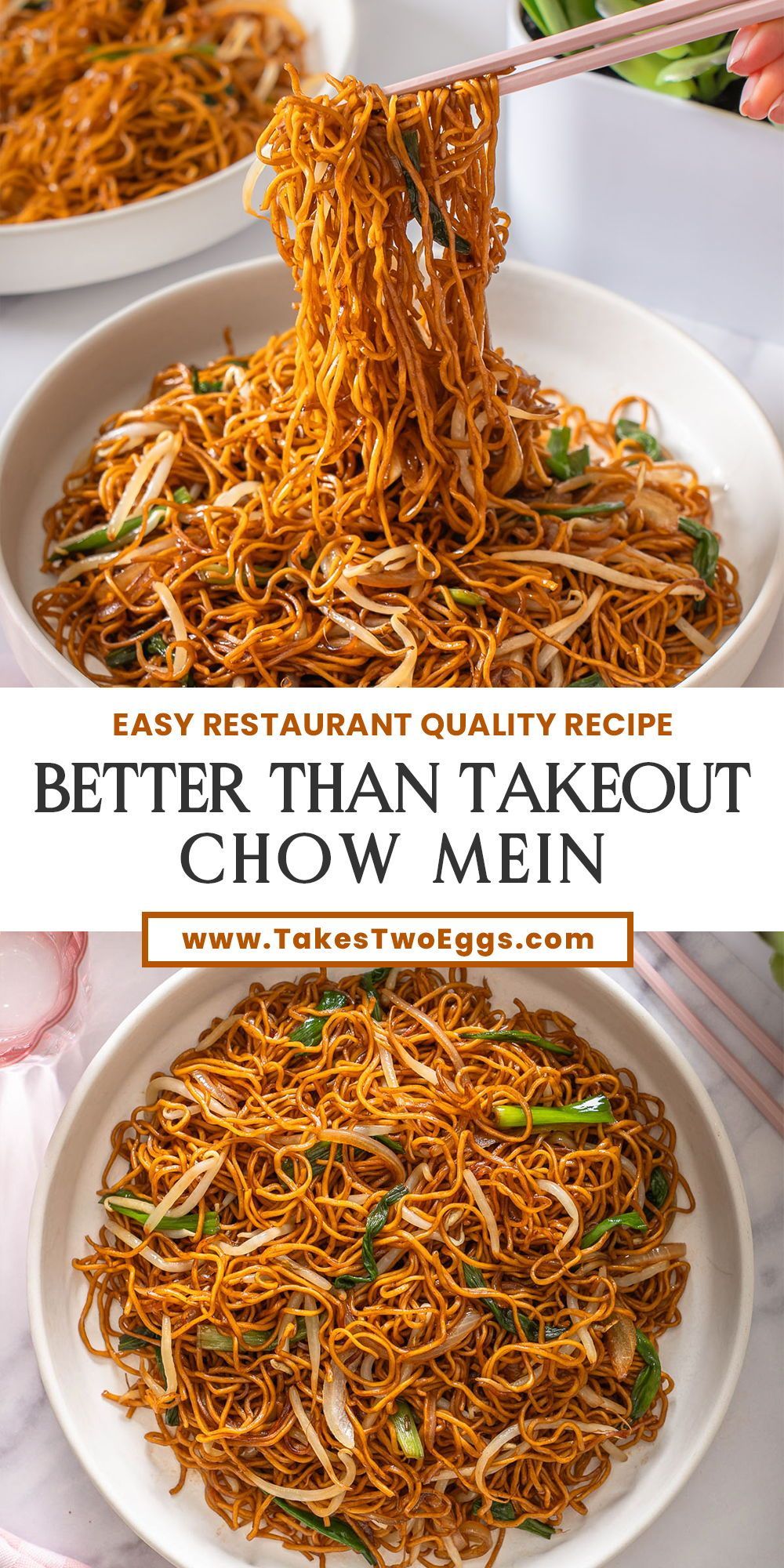
Easy Chow Mein Recipe
Easy Chow Mein Recipe delivers springy noodles, crisp vegetables, and a savory soy-oyster sauce in one pan in 30 minutes flat.
🧂 Ingredients
- 12 oz (340g) fresh lo mein noodles or 8 oz (225g) dried egg noodles
- 3 tbsp (45ml) neutral oil, such as peanut or canola
- 3 cups (about 250g) green cabbage, thinly sliced
- 2 medium carrots, julienned (about 1 cup)
- 4 oz (115g) chicken breast, thinly sliced, or 6 oz (170g) firm tofu
- 3 scallions, whites sliced thin, greens cut into 2-inch lengths
- 3 tbsp (45ml) soy sauce
- 1 tbsp (15g) oyster sauce
- 1 tsp toasted sesame oil
- 1 tsp granulated sugar
- 2 cloves garlic, minced, and 1 tsp grated fresh ginger
- 1/2 tsp white pepper, plus chili crisp or sriracha to serve
📋 Instructions
- 1Boil and dry noodles — Bring a large pot of water to a rolling boil, cook the noodles 1 minute less than the package directs, then drain and rinse under cold water. Spread them on a clean towel and pat dry, this is the single step that separates seared noodles from soggy ones.
- 2Mix the sauce — In a small bowl whisk 3 tbsp soy sauce, 1 tbsp oyster sauce, 1 tsp sugar, and 1 tsp sesame oil until the sugar dissolves. Set it within arm's reach of the stove.
- 3Sear the protein — Heat 1 tbsp oil in a large skillet or wok over high heat, about 425F (220C), until it shimmers. Add the chicken or tofu in a single layer and cook undisturbed for 2 minutes until golden brown on the bottom, then stir 1 minute more and transfer to a plate.
- 4Blister the cabbage — Add 1 tbsp oil and the cabbage and carrots to the hot pan. Stir-fry 3 to 4 minutes at 425F (220C) until the cabbage edges are translucent and lightly charred and the carrots have softened but still snap.
- 5Bloom the aromatics — Push the vegetables to the side, add the last 1 tbsp oil, then the scallion whites, garlic, and ginger. Stir constantly for 20 to 30 seconds until fragrant but not browned, browned garlic turns bitter fast.
- 6Toss noodles and sauce — Add the noodles and the cooked protein, pour the sauce down the side of the pan, and toss with tongs for 2 minutes at 425F (220C) until every strand is coated and glossy. The noodles should look lacquered, not wet.
- 7Finish and serve — Kill the heat, fold in the scallion greens and white pepper, and taste for salt. Serve immediately with chili crisp on the side, chow mein waits for no one.

Kenji covers tech productivity and digital minimalism for remote workers. He writes about streamlining workflows and cutting digital clutter with a focus on mental clarity, not just efficiency.