
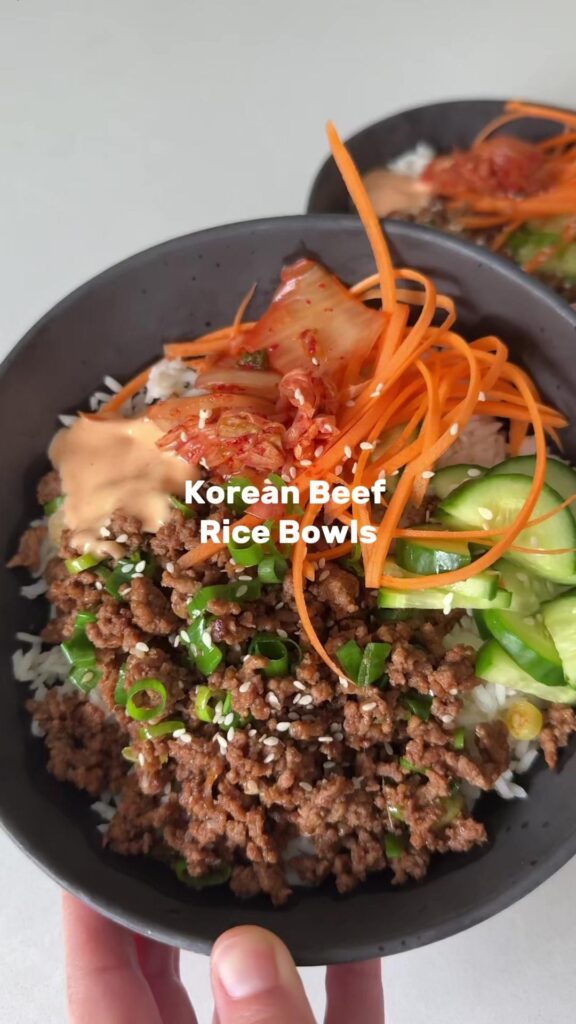
Picture this: it’s a busy Tuesday night, you’re tired, and the last thing you want is a complicated dinner. But then you remember those glossy, caramelized Korean beef bowls from your favorite takeout spot – and your mouth waters. What if I told you that you can recreate that magic in your own kitchen in just 30 minutes, with ingredients you can find at any grocery store?
Advertisements1
These Korean Beef Bowls are my weeknight superhero. They’re sweet, spicy, savory, and a little bit sticky – like a flavor party in your mouth. The star is gochujang, a fermented Korean chili paste that adds depth and a gentle heat that builds as you eat. Paired with ground beef (or your favorite protein) and served over rice with crunchy veggies, it’s a complete meal that feels both indulgent and nourishing.
I’ve designed this recipe to be forgiving and adaptable. You can swap the beef for ground turkey or tofu, adjust the spice level to your liking, and load up on whatever veggies you have in the fridge. Whether you’re a seasoned cook or a kitchen newbie, these bowls are a guaranteed win. So grab your apron, and let’s make dinner exciting again!
Why You'll Love This Recipe
About the Ingredients
1 lb (450g) ground beef (85% lean)
Opt for 85% lean to keep it juicy without excess grease. For a lighter option, use ground turkey or chicken.
3 cloves garlic, minced
Fresh garlic is key – but in a pinch, 1/2 teaspoon garlic powder works. Use a microplane for a fine mince.
1 tablespoon fresh ginger, grated
Fresh ginger adds a zing that ground ginger can’t match. Store extra in the freezer – it grates easily without peeling.
1/2 cup (120ml) low-sodium soy sauce
Low-sodium is crucial – you can always add more salt later. Tamari or coconut aminos are great gluten-free swaps.
1/4 cup (60ml) water
Adds moisture to help the sauce coat the beef evenly. Use broth for extra flavor.
3 tablespoons gochujang (Korean chili paste)
Find it in the Asian section or online. For less heat, use 2 tablespoons; for more, add a teaspoon of gochugaru (chili flakes).
2 tablespoons brown sugar (or honey)
Balances the heat and adds a caramelized glaze. Honey or maple syrup work well as natural sweeteners.
1 tablespoon sesame oil
Toasted sesame oil adds a nutty aroma – don't skip it! Regular sesame oil is milder; use toasted for best flavor.
2 teaspoons rice vinegar
Adds a subtle tang to round out the flavors. Apple cider vinegar is a decent substitute.
1/2 teaspoon black pepper
Freshly ground is best – adjust to taste. White pepper is a milder substitute.
2 green onions, sliced (for garnish)
Adds freshness and color. Chives or scallion greens work too.
1 tablespoon sesame seeds (for garnish)
Toasted sesame seeds are ideal – toasting brings out their nutty flavor. Store in the fridge to keep fresh.
4 cups cooked white rice (for serving)
Use short-grain or sushi rice for stickiness. Cauliflower rice is a low-carb alternative.
Optional: 2 cups steamed broccoli or spinach
Adds color and nutrients – use any veggies you have on hand.
Tips & Tricks
Don't Overcrowd the Pan
Brown the beef in a single layer to get a good sear, which adds flavor. If your pan is small, cook in batches.
Adjust the Heat
Gochujang varies in spiciness. Start with less and taste as you go – you can always add more.
Thicken the Sauce
If your sauce seems thin, let it simmer a minute longer to reduce. Adding a cornstarch slurry (1 tsp cornstarch + 1 tbsp water) helps thicken quickly.
Pro Tips
Step-by-Step Instructions
1. Cook the Rice
Start your rice first, as it takes longer. Rinse 1 cup of rice under cold water until clear, then cook according to package directions. If using leftover rice, skip this step and reheat it.
2. Brown the Beef
Heat a large skillet over medium-high heat (about 375°F/190°C). Add the ground beef and cook, breaking it into crumbles, until browned and no pink remains, about 5-7 minutes. The beef should be sizzling and golden brown – not gray.
3. Add Aromatics
Reduce heat to medium (350°F/175°C). Add minced garlic and grated ginger, stirring constantly for 1 minute until fragrant. Be careful not to burn – if the pan is too hot, add a splash of water.
4. Make the Sauce
In a small bowl, whisk together soy sauce, water, gochujang, brown sugar, sesame oil, rice vinegar, and black pepper until smooth. Pour over the beef and stir to combine.
5. Simmer and Glaze
Bring the sauce to a simmer over medium heat (about 350°F/175°C). Let it bubble gently for 3-5 minutes, stirring occasionally, until the sauce thickens and coats the beef. The sauce should be glossy and cling to the meat – not watery.
6. Taste and Adjust
Taste the beef and adjust seasoning – add a pinch of salt if needed, or more gochujang for heat, more sugar for sweetness. Remember, the flavors will intensify as it cools.
7. Assemble the Bowls
Scoop a generous portion of rice into each bowl. Top with the gochujang beef, steamed veggies if using, and garnish with sliced green onions and sesame seeds.
8. Serve and Enjoy
Serve immediately while hot, with extra gochujang or soy sauce on the side. Dig in and enjoy the sticky, savory goodness!
Delicious Variations
Spicy Tofu Version
Swap ground beef for crumbled firm tofu and sauté until golden. Add a drizzle of gochujang for extra kick.
Low-Carb Lettuce Wraps
Skip the rice and serve the beef in crisp lettuce cups topped with shredded carrots and cucumber.
Add Veggies
Stir-fry bell peppers, zucchini, or mushrooms with the beef for extra crunch and nutrition.
How to Store Gochujang Glazed Korean Beef Bowls
Refrigerator
Store leftovers in an airtight container in the fridge for up to 4 days. The flavors meld even more overnight.
Freezer
Freeze the beef mixture (without rice) in a freezer-safe container for up to 3 months. Thaw in the fridge overnight before reheating.
Reheating
Reheat in a skillet over medium heat (350°F/175°C) for 3-5 minutes, stirring, until bubbling. Add a splash of water to loosen the sauce if needed.
Frequently Asked Questions
Q: What is gochujang and where can I find it?
Gochujang is a savory, spicy, and slightly sweet fermented Korean chili paste made from chili powder, glutinous rice, and fermented soybeans. You can find it in Asian grocery stores, the international aisle of many supermarkets, or online. If you can't find it, you can substitute with a mix of miso paste and sriracha.
Q: Can I use ground turkey or chicken instead of beef?
Absolutely, ground turkey or chicken work great and are leaner options. Just be aware they may dry out faster, so don't overcook them. Add a little oil to the pan if needed.
Q: How can I make this dish less spicy?
To reduce spiciness, use less gochujang (start with 1-2 tablespoons) and add a teaspoon of honey or sugar to balance the heat. You can also serve with a dollop of sour cream or yogurt on top.
Q: Is this recipe gluten-free?
To make it gluten-free, use tamari or coconut aminos instead of soy sauce, and ensure your gochujang is gluten-free (some brands contain wheat). Check the labels – many are naturally GF.
Now it's your turn to whip up a batch of these Korean Beef Bowls! Don't be afraid to tweak the spice level or throw in whatever veggies you have. I'd love to hear how it goes – tag me in your creations or drop a comment below. Happy cooking, and keep your pen dancing!
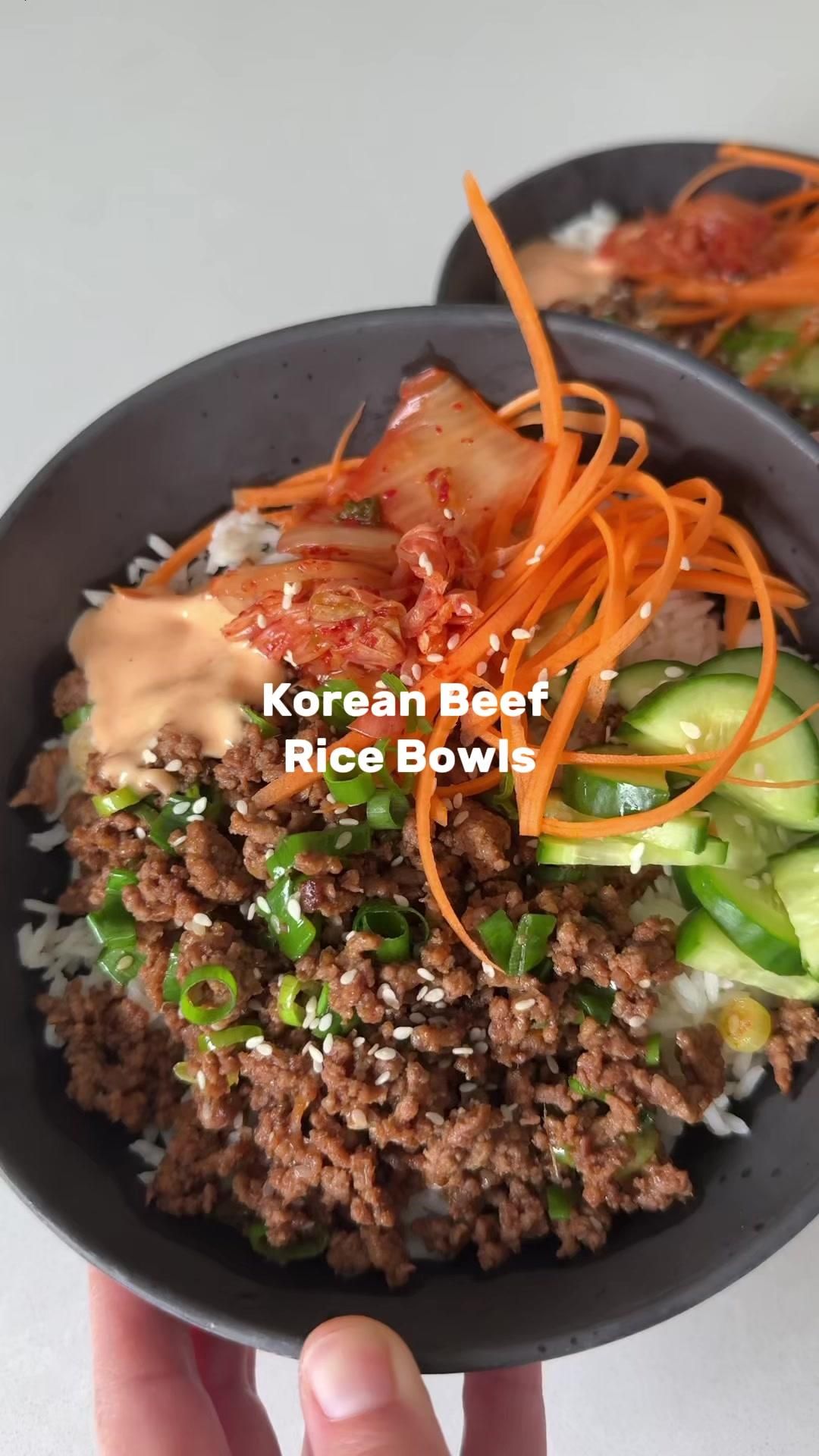
Gochujang Glazed Korean Beef Bowls
Sweet-spicy gochujang glazed beef over rice – a quick, flavorful weeknight bowl the whole family will love.
🧂 Ingredients
- 1 lb (450g) ground beef (85% lean)
- 3 cloves garlic, minced
- 1 tablespoon fresh ginger, grated
- 1/2 cup (120ml) low-sodium soy sauce
- 1/4 cup (60ml) water
- 3 tablespoons gochujang (Korean chili paste)
- 2 tablespoons brown sugar (or honey)
- 1 tablespoon sesame oil
- 2 teaspoons rice vinegar
- 1/2 teaspoon black pepper
- 2 green onions, sliced (for garnish)
- 1 tablespoon sesame seeds (for garnish)
- 4 cups cooked white rice (for serving)
- Optional: 2 cups steamed broccoli or spinach
📋 Instructions
- 1Cook the Rice — Start your rice first, as it takes longer. Rinse 1 cup of rice under cold water until clear, then cook according to package directions. If using leftover rice, skip this step and reheat it.
- 2Brown the Beef — Heat a large skillet over medium-high heat (about 375°F/190°C). Add the ground beef and cook, breaking it into crumbles, until browned and no pink remains, about 5-7 minutes. The beef should be sizzling and golden brown – not gray.
- 3Add Aromatics — Reduce heat to medium (350°F/175°C). Add minced garlic and grated ginger, stirring constantly for 1 minute until fragrant. Be careful not to burn – if the pan is too hot, add a splash of water.
- 4Make the Sauce — In a small bowl, whisk together soy sauce, water, gochujang, brown sugar, sesame oil, rice vinegar, and black pepper until smooth. Pour over the beef and stir to combine.
- 5Simmer and Glaze — Bring the sauce to a simmer over medium heat (about 350°F/175°C). Let it bubble gently for 3-5 minutes, stirring occasionally, until the sauce thickens and coats the beef. The sauce should be glossy and cling to the meat – not watery.
- 6Taste and Adjust — Taste the beef and adjust seasoning – add a pinch of salt if needed, or more gochujang for heat, more sugar for sweetness. Remember, the flavors will intensify as it cools.
- 7Assemble the Bowls — Scoop a generous portion of rice into each bowl. Top with the gochujang beef, steamed veggies if using, and garnish with sliced green onions and sesame seeds.
- 8Serve and Enjoy — Serve immediately while hot, with extra gochujang or soy sauce on the side. Dig in and enjoy the sticky, savory goodness!

Priya explores creative writing prompts and storytelling techniques for aspiring authors. She shares exercises to spark imagination and build narrative confidence, drawn from her own writing practice.